The Hand That Shaped the Playlist Is Slipping
By David Daniel Ball
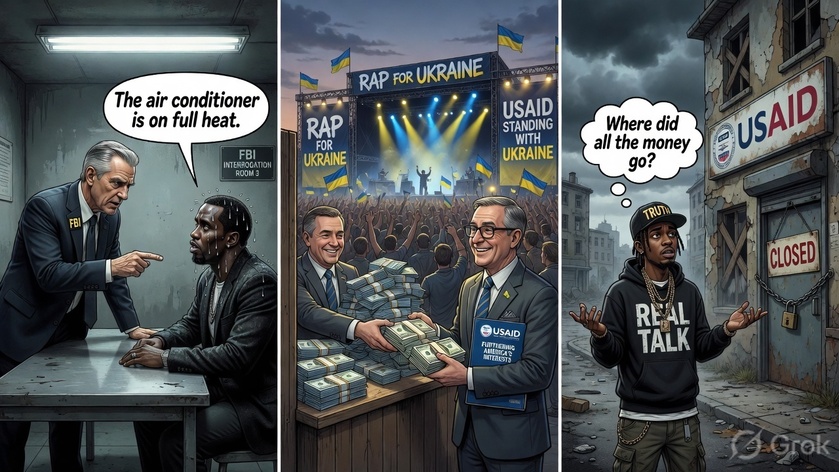
Popularity measures are shifting in plain sight, mere months after USAID’s demise. The charts do not lie about the surface numbers. Rap’s long grip on the upper reaches of the Billboard Hot 100 has loosened. In late 2025 the top 40 went weeks without a single rap track for the first time since 1990. By mid-2026 the top 10 could be found dominated by country and pop, with rap largely pushed lower or dependent on album-dump weeks. These are facts.
What the numbers do not automatically prove is the story the industry prefers. For years the loudest claim was that pure consumer preference drove everything. Streaming volume was waved around as decisive proof. Yet volume and high-visibility chart dominance are not the same thing. Radio still matters. Playlist curation still matters. Executive decisions about what receives sustained push still matter. When those levers move, the visible rankings move with them.
Professor of Rock has said openly that his own music choices for audiences were heavily modified by senior management. Mini Beatles segments were restricted. Rotation was prescribed. The most popular band of all time was placed under limits. If that level of control is routine, then the idea that audiences freely discover and elevate what they truly prefer is incomplete. Most listeners encounter music through channels that have already been filtered. Progressive rock—Yes, Genesis, King Crimson’s Islands, Emerson, Lake & Palmer—rarely receives the same institutional oxygen. It is not that the music lacks quality or devoted listeners. It simply does not sit on the current executive lists.
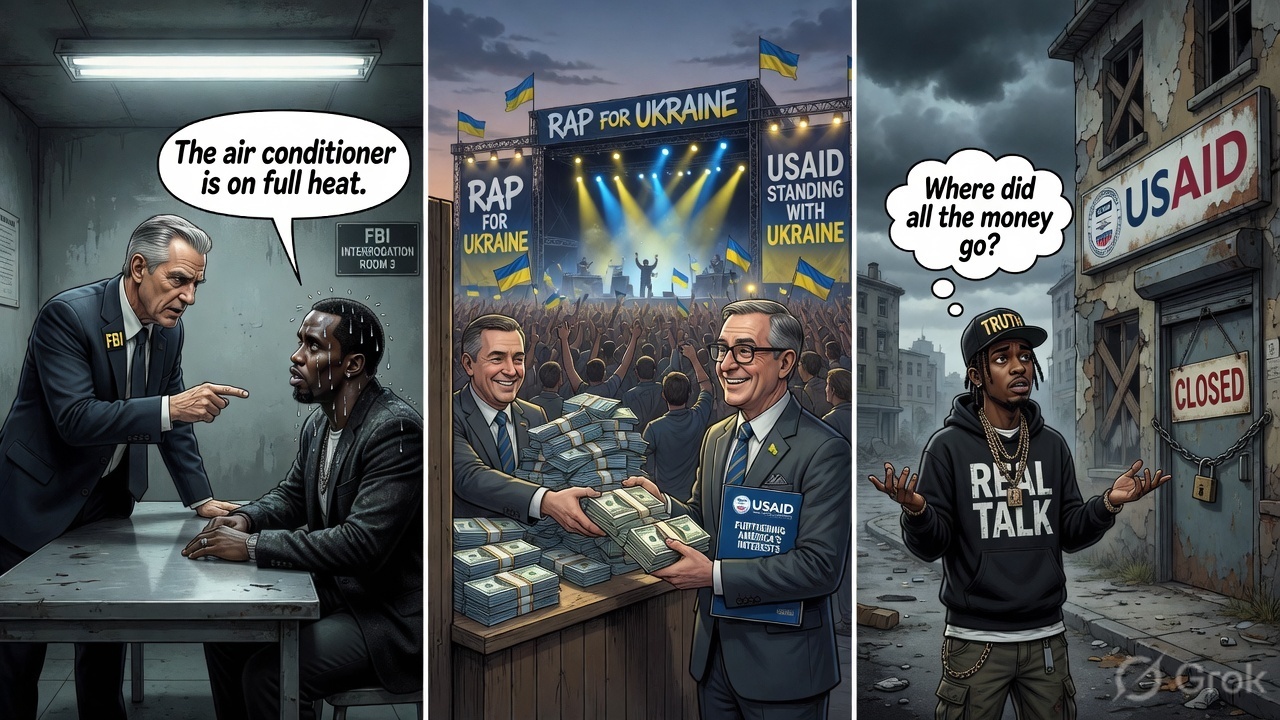
USAID was never merely a development agency. It operated inside cultural landscapes and practiced influence. The claim is not that the agency “backed” rap as a favorite genre. The more precise observation is that certain forms of popular music, including hip-hop, were useful instruments for access, soft power, and narrative reach in various markets. Promotion of American cultural products abroad has never been purely commercial. When those institutional supports weaken, the artificial elevation they provided can recede. The timing of rap’s relative chart contraction after the agency’s disruption is at least suggestive. Counter-examples exist: the erosion of hip-hop’s market share was already visible in multi-year data before the most recent changes, country and Latin had been rising on their own commercial strength, and Billboard’s recurrent rules contributed to the 2025 top-40 drought. Those facts should be acknowledged. They do not erase the larger pattern of managed cultural preference.
The same institutional machinery that once amplified certain sounds also shaped political and social framing in media, both internationally and at home. An era of heavy misdirection does not end cleanly. It leaves a vacuum. Powerful players are already repositioning. Deep-pocketed coordination that once smoothed the path for tours, playlisting, and narrative coverage is less reliable. Ticket markets tighten. Discovery becomes less engineered.
What fills the space will not be decided solely by the old bureaucratic hand. Need and genuine demand will count for more. Talent that was previously crowded out or never given the same institutional runway now has a clearer path. That is the bet worth making. The charts are already registering the change. The question is whether the industry will admit how much of the previous landscape was curated rather than organic—and whether audiences will finally hear more of what they actually prefer once the filters loosen.