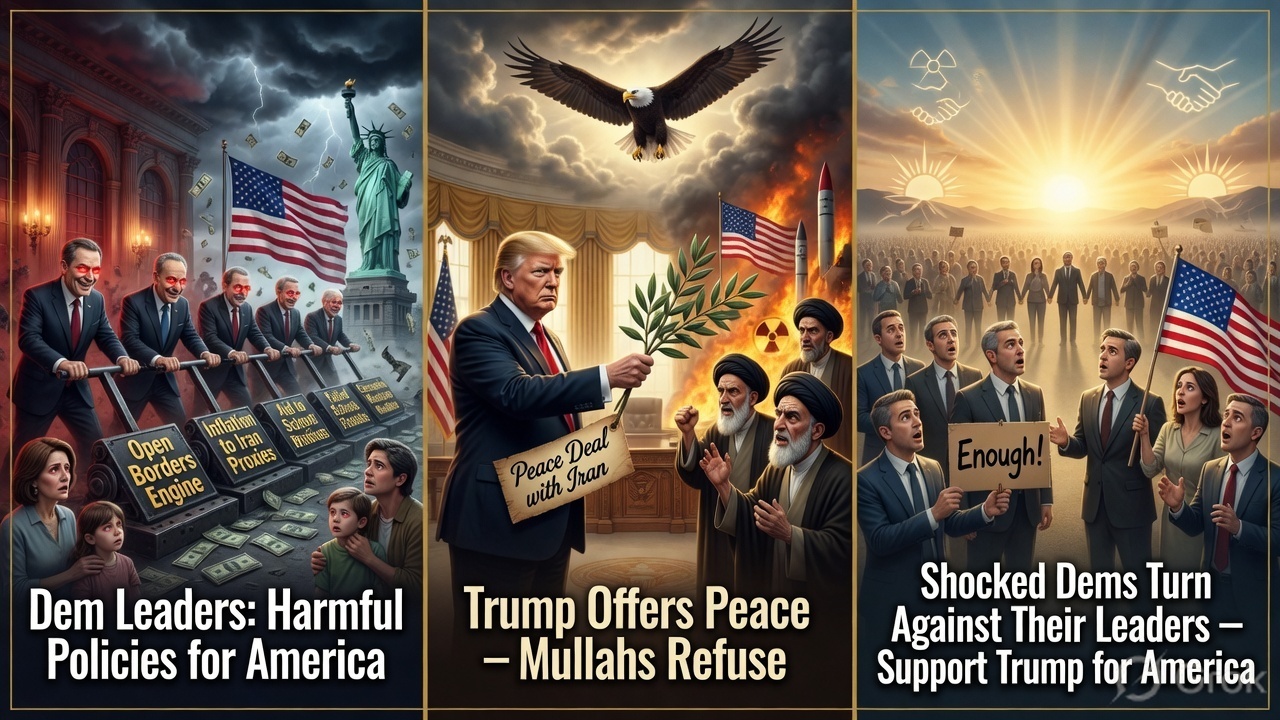
Trump's High-Stakes Bet: Forcing Democrats to Own Their Policies
The Republican Party is showing visible fractures over Middle East policy, with former President Trump (now in office) appearing to prioritize "MAGA First" priorities over unqualified support for Israel. Critics within the party see this as a betrayal of longstanding alliances. Yet from Trump's vantage, this isn't capitulation—it's calculated positioning. He needs a consolidated base to navigate midterms and fend off what he views as recycled lawfare. Pure MAGA isolationism, however, risks alienating broader GOP constituencies. The divide is real and widening. The question is whether Trump can exploit Democratic contradictions faster than his own party fractures.
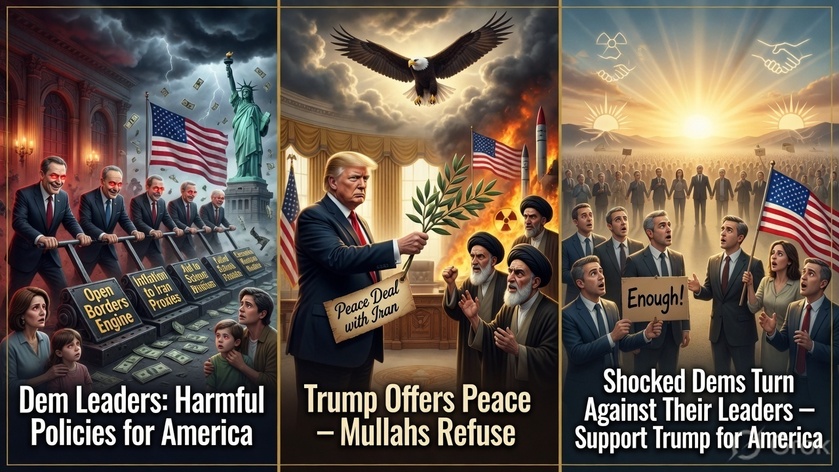
Trump's approach echoes Saul Alinsky's Rule 4: "Make the enemy live up to its own book of rules." By holding Democrats to the standards they profess—human rights, child welfare, opposition to genocide, environmental stewardship, and rejection of totalitarianism—he aims to expose the unsustainable reality of their coalition. Democratic leadership has largely moved as a bloc in ways that many traditional supporters find jarring: backing expansive aid frameworks with documented leakage, defending educational approaches criticized for poor outcomes in literacy and numeracy, and maintaining stances on Middle East engagements that include tolerance for actors tied to Iran and designated terrorist groups. Rhetoric from some quarters has escalated to calls for extreme measures against political opponents, including Trump himself and figures like Charlie Kirk.
This isn't abstract. Democrats have shown party-line discipline on issues where internal dissent might once have surfaced. Yet cracks have appeared before. RFK Jr.'s alignment with Trump on MAHA (Make America Healthy Again) initiatives and Tulsi Gabbard's role demonstrate that former Democrats can find common cause when institutional orthodoxies clash with observable results. The bet is that constituent-level revulsion—over ineffective schooling that fails vulnerable children, corruption in foreign aid flows, or policies perceived as enabling regional terrorism and instability—will outpace GOP discomfort on alliances.
Bridging the Divide: Co-opting the Possible
In Congress, RINOs represent a vocal but limited faction. Their influence shrinks when broader GOP and even modest Democratic support converges. Trump isn't primarily courting Democrats for votes on core legislation; he's engineering conditions where their own positions become untenable to their voters. Questions arise naturally:
- At what point does support for policies enabling Iranian influence or proxy conflicts become indefensible to Democrats who campaigned on peace and restraint?
- Why defend schooling models delivering subpar results for children, particularly in underserved communities?
- How long can aid mechanisms persist amid evidence of diversion to adversaries?
- Will any Democrats break ranks on environmental or humanitarian pretexts when outcomes contradict the rhetoric?
History suggests fractures happen when reality intrudes: inflation, border realities, urban crime spikes, and institutional distrust have already shifted segments of the electorate. Trump's calculation appears to be endurance—sustaining his base coalition longer than Democrats can paper over theirs. MAGA First may be partly opposition research caricature, but constituent priorities (secure borders, economic nationalism, skepticism of endless entanglements) have durable appeal. Traditional Republican internationalism, especially on Israel, retains strong institutional backing, creating the tension.
The irony is thick. Democrats once positioned themselves as the party of working people, civil liberties, and pragmatic governance. Large segments now appear wedded to activist frameworks that tolerate or excuse authoritarian drifts abroad and cultural experiments at home. Trump's strategy tests whether voters—across aisles—will tolerate outcomes over slogans. Opposing wasteful or counterproductive programs isn't "extremism"; demanding accountability for results is baseline governance.
The Limits and Risks
This is no guaranteed win. Snubbing core allies risks strategic costs in a volatile region. Fracturing the GOP invites primary challenges and midterm headwinds. Democrats retain institutional advantages in media, bureaucracy, and cultural centers that can reframe failures as virtues. Yet the bet rests on observable data: stagnant or declining metrics in education for at-risk groups, documented aid inefficiencies, and regional policies that empowered adversaries. Public tolerance for "owning the opposition" at the expense of American interests and children's futures has limits.
Trump is playing a longer game of realignment. By forcing Democrats to defend the indefensible, he highlights fractures that predated his return. Whether this yields legislative breakthroughs, Democratic defections, or simply a more honest electoral map remains to be seen. The midterms will test if endurance beats orthodoxy. For now, the pressure is on both sides to confront what their coalitions actually deliver, not what their rhetoric promises.