The Odyssey: Echoes of an Ancient Tale in Biblical Tradition
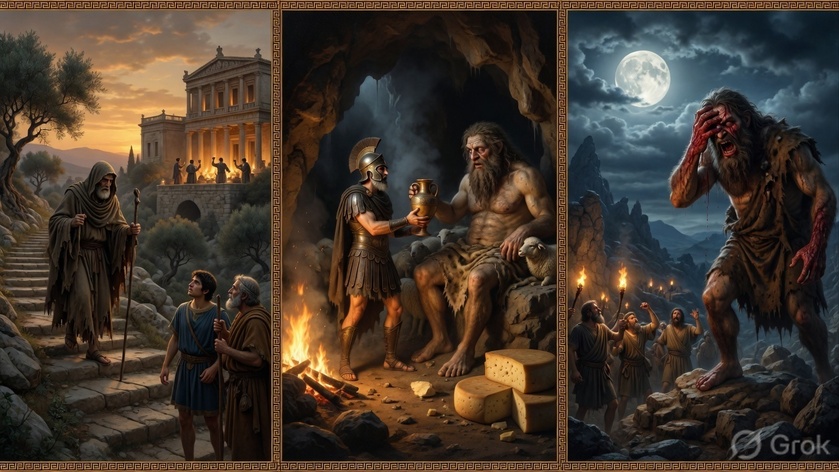
In the grand tapestry of human storytelling, few works resonate across millennia quite like Homer’s Odyssey. This epic is not the polished creation of a single, identifiable author in a quiet scriptorium, but the living fruit of an oral tradition born in the Ionian world of 8th-century BCE Greece. It was sung and reshaped by generations of bards—aoidoi and rhapsodes—long before being committed to writing. The poem recounts events and a world that feel rooted in the Late Bronze Age, around the 12th century BCE, when a real conflict at Troy (Hisarlik) may well have occurred amid the convulsions of Mycenaean collapse. Yet it was crystallized centuries later, during the Greek renaissance, when the alphabet revived and trade reconnected the Mediterranean.
What survived is no verbatim transcript but something more powerful: the broad sweeps of memory, reinforced by formulaic repetition, stock epithets, and type-scenes that made the tale memorable in performance. Geography in the Odyssey often mirrors the horizons of the 8th–7th century poet’s world—real sailing routes, islands, and winds—layered with myth and wonder. The tradition preserved the essence even as details evolved. This is storytelling as cultural DNA: resilient, adaptive, and deeply human.
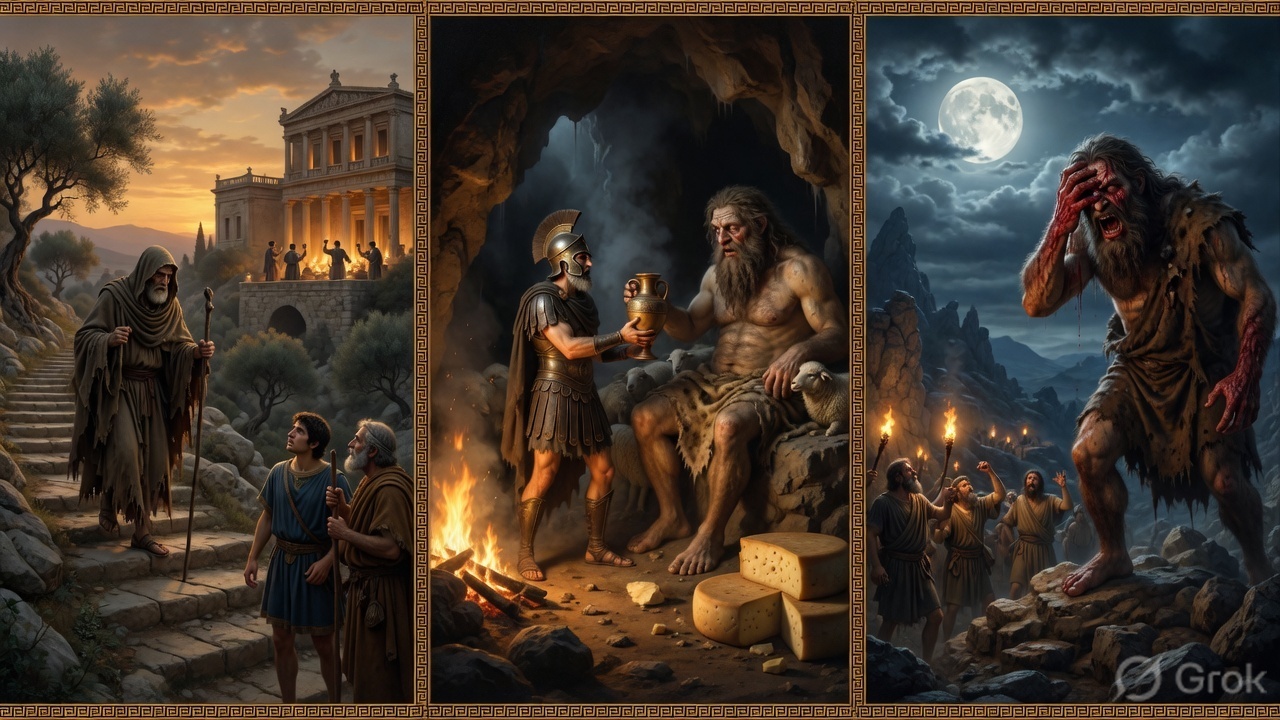
The Odyssey is no cipher or hidden code for the Bible. The two emerged from related but distinct currents of the ancient Mediterranean. Yet profound echoes reverberate between them—testaments to shared human longings for home, justice, faithfulness, and redemption amid suffering. Odysseus’s decade-long nostos (homecoming) after the Trojan War parallels the Israelites’ wilderness wanderings or the exiles’ return from Babylon. Both narratives test loyalty in the hero’s absence: Penelope weaving and unweaving her shroud amid predatory suitors calls to mind covenant fidelity and patient waiting for restoration.
Divine forces shape both worlds. Athena’s guidance of Odysseus against Poseidon’s wrath mirrors God’s providence amid adversarial trials. The poem’s emphasis on hospitality (xenia) and the brutal judgment on those who violate it finds strong biblical kinship in commands to welcome the stranger and warnings against injustice. Recognition scenes—Odysseus revealed to Telemachus, Penelope, and his father—echo Joseph’s emotional unveiling to his brothers or the disciples’ dawning realization of the risen Christ.
Particularly striking are moments that later Christian readers have seen as faint foreshadowings. Odysseus lashed to the mast, ears open to the Sirens’ deadly song yet refusing their lure, evokes the image of the Crucified One: bound, enduring temptation and torment for a greater purpose. Odysseus’s rejection of Calypso’s offer of immortality—to live and die as a mortal man, reunited with his wife and son—resonates with Christ’s willing submission to the Father’s will, embracing suffering and death rather than grasping divine exemption. These are not direct borrowings but convergent archetypes: the hero who chooses the hard road of humanity and returns transformed.
Even the historical backdrop invites comparison. The biblical Philistines, often linked to Aegean (“Caphtorite”) origins, move in a cultural milieu that shares warrior customs, material culture, and motifs with the Homeric world. The Iliad and Odyssey may preserve distant memories of the very peoples who clashed with early Israel.
The world has waited a long time for this story to be retold in fresh ways. Now, filmmaker Christopher Nolan is completing an artistic work that promises to bring the Odyssey to new audiences with his signature blend of epic scale, psychological depth, and visual mastery. In an age hungry for meaning amid chaos, revisiting this ancient voyage—its cunning, endurance, and hard-won homecoming—feels timely.
The Odyssey endures not because it is history textbook or scripture, but because it captures the soul’s journey. Its echoes in biblical tradition remind us that great stories, whether Greek or Hebrew, ultimately point toward the same deep human truths: the cost of loyalty, the pain of exile, the joy of return, and the mysterious interplay of human striving and divine purpose. In singing Odysseus’s tale, we hear fragments of our own.