Charlie Kirk: Assassinated by One, Inflamed by Many
The preliminary hearing for Tyler Robinson, the man charged with assassinating Charlie Kirk at Utah Valley University in September 2025, has reinforced a straightforward but sobering reality: this was the act of a lone individual, radicalized in part by a toxic media environment that turned sharp policy disagreements into existential hatred.
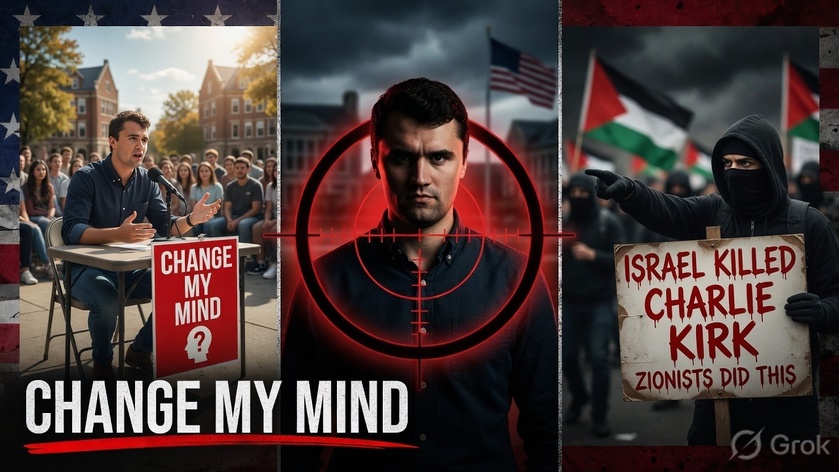
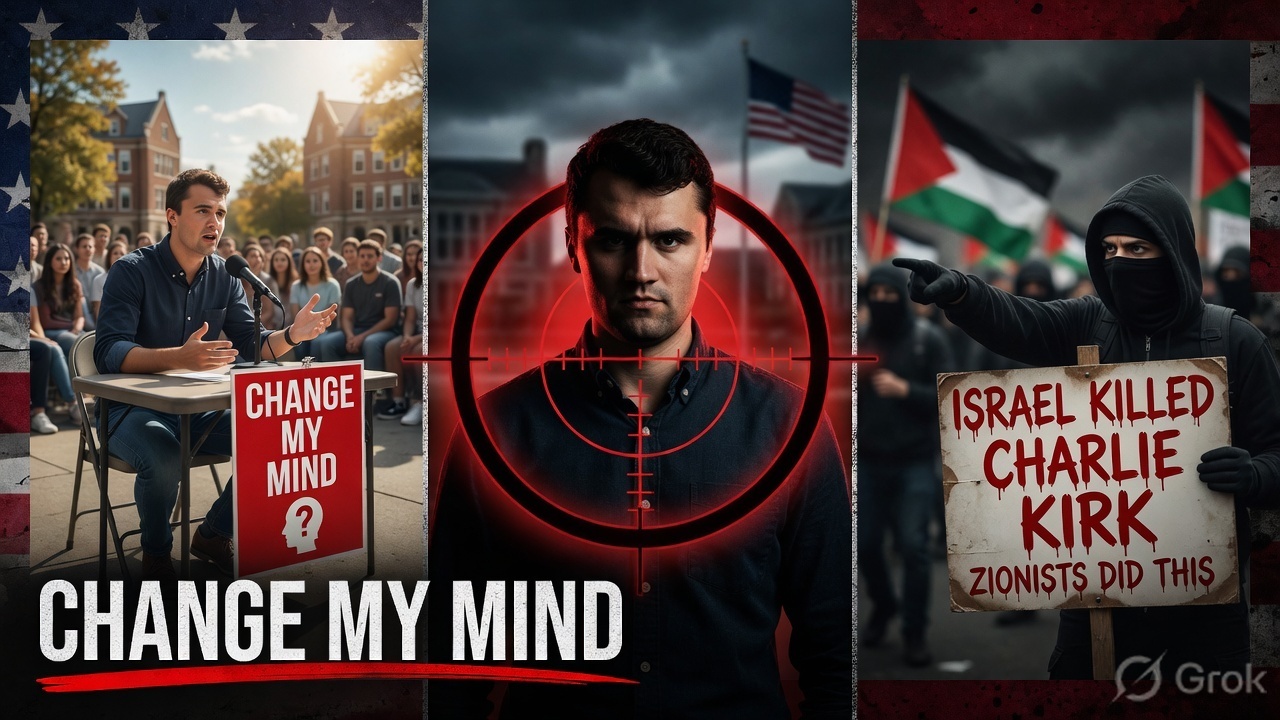
Evidence presented—including surveillance video placing Robinson on the rooftop, his DNA on the rifle with overwhelming statistical certainty, post-shooting texts to his roommate confessing the act, and statements citing Kirk's supposed "hatred"—points to Robinson acting on his own. He allegedly planned it, carried it out, expressed regret afterward, and turned himself in. No credible evidence has emerged of accomplices, state actors, Mossad plots, TPUSA insiders, or Kirk's widow orchestrating the murder. Claims to the contrary, amplified by figures like Candace Owens and Tucker Carlson, have been exposed as speculative distractions that dishonor the facts and the victim's family.
Kirk was a vocal Christian conservative. He founded Turning Point USA to mobilize young people toward traditional values, limited government, and cultural pushback against what he saw as progressive overreach. His faith shaped a worldview that emphasized personal responsibility, the sanctity of life, and biblical sexual ethics. On transgender issues, Kirk argued against medical transitions for minors, "affirmation" of gender fluidity as harmful delusion, and the erosion of sex-based spaces and sports. He invoked scripture, including references to Leviticus, to frame these as contrary to natural law and God's design—rhetoric critics labeled hateful bigotry, while supporters viewed it as compassionate truth-telling aimed at protecting children and upholding reality.
Partisan press and cultural amplifiers often stripped away nuance. Headlines and segments painted Kirk as a driver of "hate" who wanted to "erase" trans people or coerce GOP loyalty, rather than a figure urging informed voting based on principles and consequences. Kirk advocated persuasion through ideas, not coercion; he encouraged civic engagement and understanding trade-offs, rooted in his belief that Christianity calls for love of neighbor alongside clarity on sin and redemption. Conflating robust disagreement—especially on irreversible medical interventions for youth or biological sex—with genocidal intent fueled precisely the kind of unnegotiable animosity Robinson reportedly cited: "I had enough of his hatred. Some hate can't be negotiated out."
This does not excuse the killer. Political rhetoric, even fiery or imperfect, does not justify murder. Kirk's compassion was evident in his outreach to young people, his pro-life work, and his broader project of renewing American institutions through education rather than force. Like many Christians, he sought to balance justice with mercy—opposing policies he believed destructive while calling individuals to higher truths.
The hearing's evidence collapses grand conspiracy narratives. Robinson was not a patsy in some international plot; he was a young man allegedly consumed by the very polarization that turns opponents into demons. Media ecosystems on all sides bear responsibility for egging on such extremism through caricature. Kirk deserved better than to be martyred amid smears, and the public deserves better than conspiracy grift that obscures accountability.
Let this serve as a reminder: Ideas should clash vigorously in the open. When discourse collapses into perceived "hate" that "can't be negotiated," lone actors fill the void with violence. Charlie Kirk's legacy—youth activism, Christian witness, and unapologetic conservatism—outlasts both the bullet and the mythmaking around it. Truth, not speculation, honors it best.