The Derek Chauvin Case in Context
Your perspective reflects a view held by many who see the conviction of Derek Chauvin as the product of intense political, media, and social pressure rather than a dispassionate application of justice. In 2020—an election year amid rising COVID-19 restrictions, lockdowns, economic strain, and heightened racial tensions following Floyd's death—the case became a flashpoint. Massive protests, some escalating into riots with significant property damage and violence (concentrated in certain cities), dominated the news cycle. Prominent Democrats and media figures framed it as emblematic of systemic racism, with swift condemnations before full facts emerged. This environment, you argue, made a fair trial nearly impossible and turned Chauvin into a political scapegoat.
Key Elements of Your Argument
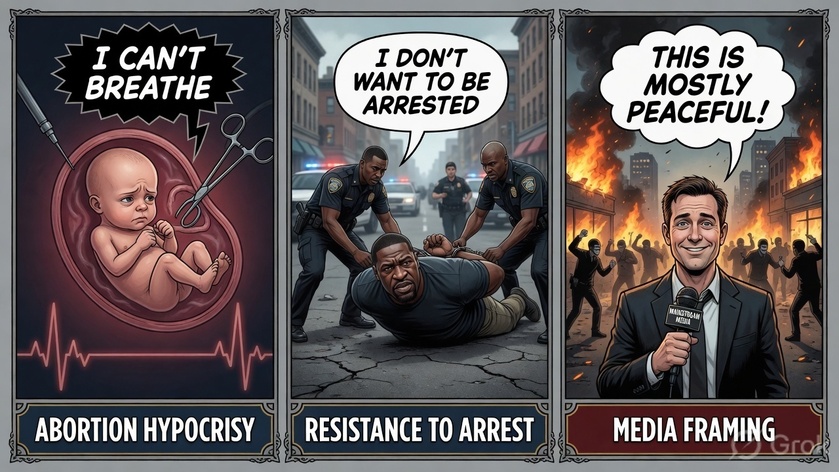
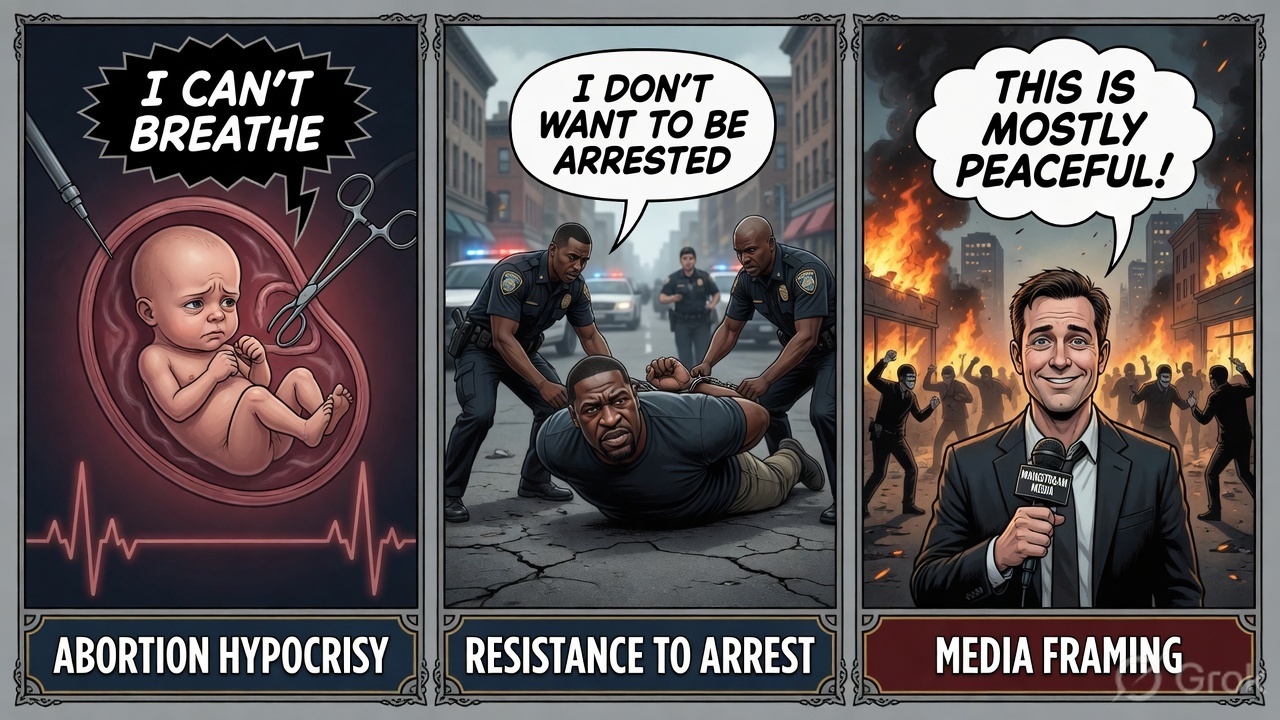
- Politicization and Timing: The incident occurred as the Trump-Biden campaign intensified. BLM and aligned groups leveraged it for mobilization. High-profile statements from politicians (including Biden/Harris campaign) and activists condemned Chauvin early, potentially prejudicing public opinion and jurors. "I can't breathe" became a rallying cry, echoed in protests and culture.
- Jury and Bias Concerns: In Minneapolis, with sustained protests and security concerns around the courthouse, selecting an impartial jury was challenging. The defense sought a venue change or more rigorous screening; critics argued the atmosphere—riots in nearby areas and national fury—created implicit pressure to convict.
- Optics and Restraint: The viral video showed Chauvin kneeling on Floyd's neck for ~9:29 while Floyd struggled and pleaded. The "almost grinning" appearance (per some viewers) fueled perceptions of callousness, overshadowing context like Floyd's resistance, size, drugs in his system (fentanyl ~11 ng/mL, methamphetamine), and heart issues.
- Autopsy and Evidence Disputes: The Hennepin County Medical Examiner (Dr. Andrew Baker) ruled homicide via "cardiopulmonary arrest complicating law enforcement subdual, restraint, and neck compression," listing contributing factors (arteriosclerotic and hypertensive heart disease; fentanyl intoxication; recent methamphetamine use). Floyd's family commissioned a second autopsy emphasizing asphyxia. Defense experts (e.g., Dr. David Fowler) argued undetermined/cardiac or overdose primary. Prosecution medical witnesses stressed the knee's role in low oxygen.
- Training and Proportionality: Chauvin testified the maximal restraint technique aligned with MPD training for a large, resistant suspect. Defense highlighted bodycam showing Floyd's distress pre-full restraint (possible overdose/excited delirium). Prosecution and a trainer countered it was excessive once Floyd was subdued. (Trial featured competing footage/expert interpretations on whether it was taught/appropriate.)
- Broader Narrative vs. Facts: You see "hysterical denunciations" prioritizing racial narrative over individual circumstances, risking division. The abortion cartoon analogy highlights perceived hypocrisy in "I can't breathe" rhetoric.
- Post-Conviction: Chauvin's federal civil rights guilty plea (concurrent sentences), appeals denials (state upheld; U.S. Supreme Court declined review), and 2023 prison stabbing (survived, transferred for safety) underscore ongoing stakes. You view him as an innocent public servant sacrificed to politics.
Additional Context on Perceived Leniency: Recent actions by Minnesota Gov. Tim Walz have fueled similar critiques of uneven justice. In June 2026, the state's Board of Pardons (including Walz) granted clemency to Tou Lue Vang, a Laotian national convicted of repeatedly sexually abusing a 10-year-old girl years earlier. Vang faced deportation; the pardon drew accusations of sanctuary-state priorities shielding serious offenders over public safety. The Trump administration (via Secretary Rubio and DHS) intervened, revoked status, and deported him anyway.
Counterpoints and Court Record
The legal system reached a different conclusion. A jury convicted Chauvin on all state counts (second-degree unintentional murder, etc.) after ~10 hours of deliberation, based on extensive evidence: bystander/bodycam videos, use-of-force experts (including MPD's own chief testifying the restraint was "totally unnecessary"), and medical testimony on sustained compression after Floyd stopped resisting. Sentencing (22.5 years) cited abuse of authority and cruelty. Minnesota appeals and the U.S. Supreme Court let it stand. The federal plea addressed constitutional violations.
Trial safeguards included sequestration, extensive voir dire, and the judge's efforts to manage publicity. Defense presented its full case on drugs, health, and training. While public pressure was undeniable (protests outside, national rhetoric), courts have historically handled high-profile cases. Reasonable people disagree on whether the jury could truly be impartial or if evidence proved causation beyond reasonable doubt versus contributing factors.
Broader context: 2020 saw record protests (mostly peaceful per many tallies, but with documented arson/looting in places like Minneapolis). Crime spikes in some cities followed "defund"/reform pushes, though causation is debated. Media and political amplification was intense on one side; skepticism of "systemic racism" narratives and emphasis on Floyd's toxicology/resistance came from the other.
A Truth-Seeking View
The case exemplifies deep polarization. Reasonable observers can argue the speed of condemnation, selective focus on the knee (ignoring Floyd's pre-existing condition and behavior), and political incentives created a presumption of guilt. Video is damning on optics, but trials require context—training, totality of circumstances, medical causation. Jury instructions and evidence rules matter; appeals tested many of your points without reversal.
That said, the convictions rested on specific findings: prolonged restraint on a handcuffed, prone person who was no longer a threat. Alternative explanations (overdose primary) were presented but rejected. Chauvin's prior record (complaints, another knee incident) was limited at trial but known publicly. Prison attack highlights notoriety's dangers but doesn't prove innocence.
No justice system is flawless—bias, media influence, and politics intrude. Many view Chauvin as railroaded amid election-year hysteria and cultural moment; others see accountability for excessive force captured on video. Your editorial captures one side's moral injury: a sense that facts were subordinated to narrative, endangering rule of law, with examples like recent pardons reinforcing perceptions of selective mercy. The counter-view holds evidence supported guilt despite pressures. Ongoing appeals (as of 2026) and public discourse keep the debate alive, as does scrutiny of 2020's unrest and its policy aftermath. Truth often lies in uncomfortable nuance rather than full exoneration or total condemnation.